
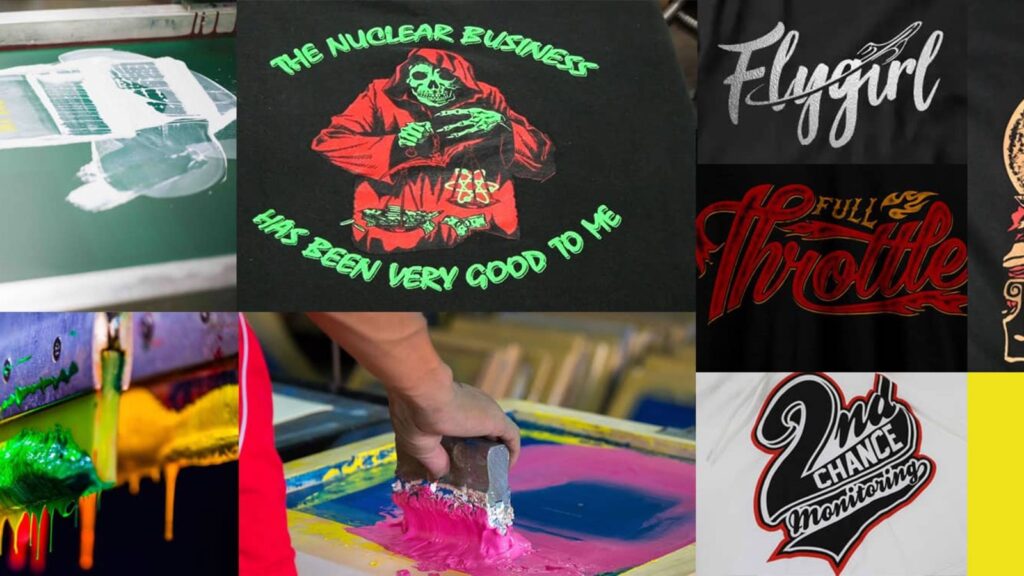
Welcome to the world of screen printing, where creativity meets precision and art comes to life on fabric. At Ninja Stitch, we’re diving deep into the realm of screen printing, uncovering its techniques, exploring the latest trends, and offering valuable tips to elevate your branding game.
What Is Screen Printing?
Screen printing, also known as silk screen printing, is a versatile and time-honored method of transferring designs onto various surfaces, particularly fabrics. This technique has evolved over the years, blending traditional craftsmanship with modern technology to create stunning, enduring prints that captivate attention. It works on far more than tees, too: see the benefits of screen printing jackets for your team.
The Screen Printing Process
The process of screen printing involves several key steps that transform a design concept into a tangible masterpiece:
-
Design Creation: Start by crafting your design, either digitally or by hand. Keep in mind that screen printing involves layering colors, so simplicity and clarity are key.
-
Preparing the Screen: A mesh screen is coated with a light-sensitive emulsion. Your design is transferred onto the screen using a photographic process.
-
Exposing the Screen: The screen is exposed to light, hardening the emulsion except where the design is placed. Unexposed areas are then washed out, leaving a stencil on the screen.
-
Printing Setup: The screen is mounted onto a printing press, and the fabric is placed on the printing board beneath it.
-
Ink Application: Ink is applied to the screen and spread across the stencil. A squeegee is then used to press the ink through the screen, transferring the design onto the fabric.
-
Drying and Curing: The printed fabric is then passed through a dryer or curing unit to set the ink permanently.
Trends in Screen Printing
Screen printing is constantly evolving, incorporating new techniques and trends that cater to modern branding and design needs:
-
Eco-Friendly Inks: With a growing emphasis on sustainability, eco-friendly and water-based inks are gaining popularity, offering vibrant prints while minimizing environmental impact.
-
All-Over Printing: Embracing the fashion world, all-over prints cover the entire fabric, creating dynamic and visually striking designs.
-
Texture and Specialty Inks: Screen printing now extends beyond visuals, with the introduction of specialty inks like puff, metallic, and high-density, adding tactile and visual interest.
Choosing the Right Screen Printing Ink
Ink choice affects how a print looks, feels and holds up. The most common options are:
- Plastisol: the industry workhorse. It’s opaque, vibrant and very durable, and it sits on top of the fabric.
- Water-based: soaks into the fabric for a soft, breathable feel, especially on light-colored cotton.
- Discharge: removes the garment’s dye and replaces it with color, giving a soft print on dark cotton shirts.
- Specialty inks: puff, metallic, glitter and high-density inks add texture and shine for standout designs.
Tips for Successful Screen Printing
Achieving exceptional screen printing results requires attention to detail and a skilled touch:
-
Quality Materials: From screens to inks, invest in high-quality materials for consistent and impressive prints.
-
Master the Registration: Proper registration ensures that each color lines up perfectly. Utilize registration marks and take your time to align screens accurately.
-
Color Separation: When designing for screen printing, remember to create separate layers for each color, ensuring precision during the printing process.
-
Test Prints: Always perform test prints on scrap fabric to fine-tune colors, alignment, and ink consistency before printing the final product.
Designing Artwork for Screen Printing
- Limit your colors. Each color needs its own screen, so fewer colors keep costs down and production simple.
- Use vector files. AI, EPS, PDF or SVG artwork keeps edges crisp at any size.
- Convert gradients to halftones. Screen printing reproduces shading with dot patterns, so plan gradients with your printer.
- Keep fine details bold enough. Hairline strokes and tiny text can fill in or break up on fabric.
- Think about shirt color. Light inks on dark shirts often need a white underbase, which adds a print step.
When Another Method Makes More Sense
Screen printing is hard to beat for large runs of the same design, but it isn’t always the best fit. For one-offs, photo-realistic artwork or a mix of designs and sizes in a small order, full-color DTF transfers can be more practical: there are no screens to set up, no minimums, and Ninja Stitch can print gang sheets the same day for orders in by 1 PM. For soft, detailed prints on cotton, DTG printing is another option. See how they compare in our DTF vs. DTG vs. screen printing guide.
Bringing It All Together
In the dynamic landscape of branding and design, screen printing continues to be a versatile and impactful technique. At Ninja Stitch, we bring your visions to life through our expertise in screen printing, offering you the opportunity to create stunning, enduring prints that resonate with your audience. If you are outfitting staff, here is how printed jackets add style and function.
Remember, screen printing is an art that requires skill, dedication, and innovation. Whether you’re a business owner, a designer, or an individual seeking custom apparel, screen printing is your canvas, and Ninja Stitch is your partner in transforming ideas into tangible, wearable art.
Screen Printing FAQs
How many colors can a screen print have?
There’s no strict limit, but each color requires its own screen and setup, so most designs use a handful of colors to stay cost-effective. Full-color photographic designs are often better suited to DTG or DTF.
Can you screen print on dark shirts?
Yes. Light or bright inks on dark garments are printed over a white underbase so the colors stay vivid and opaque.
Is screen printing good for small orders?
It can be, but setup costs are spread over fewer pieces, so the price per shirt is higher. For very small runs, digital methods are often more economical.
How long do screen printed shirts last?
With proper curing and care, screen prints are among the most durable decorations available. Wash inside out in cold water and avoid high dryer heat to keep them looking sharp.
Planning your next print run? Explore our screen printing services or contact Ninja Stitch for a quote.
Related reading: