
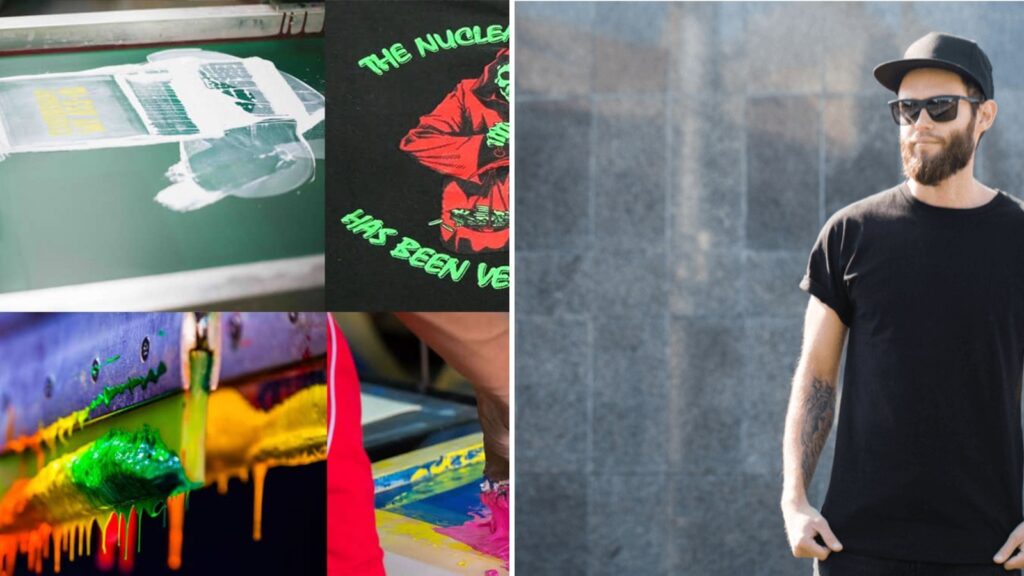
T-shirt screen printing is a great way to give your business some flair. Screen-printed t-shirts come in many colors and can be customized with any design or image. T-shirt screen printing is often the best option if you are looking for an inexpensive and effective way to promote your company, boost sales, and boost brand awareness among consumers. At Ninja Stitch in Los Angeles, our team of ninjas can help you develop your screen-printed t-shirts and turn your design ideas into reality. In this article, we share some information about a few of the benefits of screen printing.
Learn more about screen printing at Ninja Stitch.
T-Shirts Printed in a Variety of Colors
The screen printing process uses a mesh screen stretched tightly over a wooden frame. The screen is coated with emulsion, and the ink is pushed through the screen onto the fabric by squeegee pressure. This means screen-printed t-shirts can be printed in any color you want – including white, gray, and black – without the screen clogging.
T-Shirt Screen Printing Allows for Unlimited Creativity
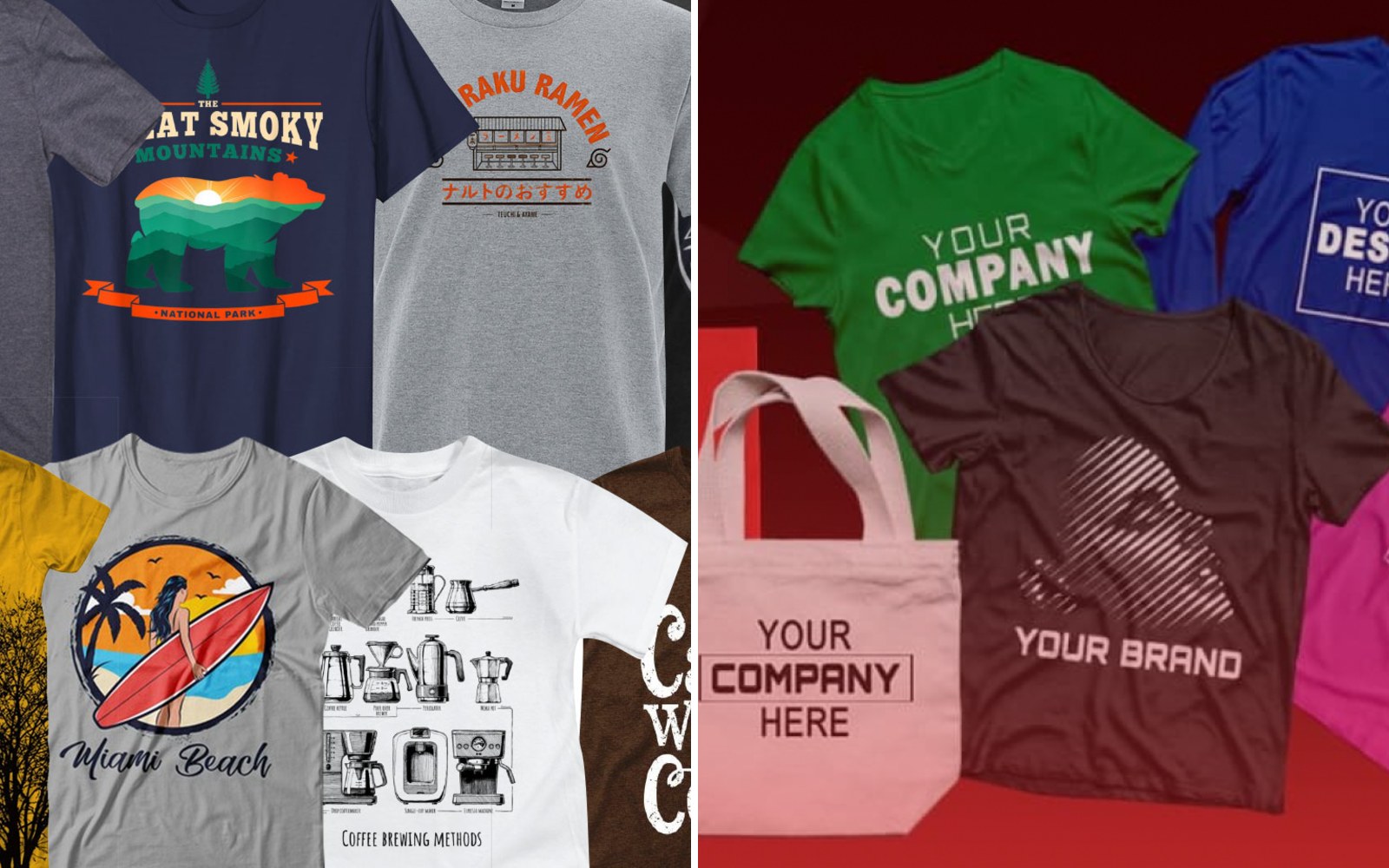
Screen printing is customizable. The screen can be treated with different techniques to give your t-shirts or other screen-printed garments different textures or looks. Also, you can use multiple screens at once to create more than one design on a shirt. This means screen printing is a great option for you if you are looking to create something unique and custom. It works on hoodies too, as these tips for standout bar mitzvah hoodie designs show.
You Can Create Just About Any Design with Screen Printing
Screen-printed t-shirts make it easy to print the designs you imagine. If you have an idea in mind, screen printing can help you turn that vision into reality. You can screen print any design or image onto your t-shirts. Also, screen printing allows for multiple colors in one design, which means screen printing is an effective way to make a bold impact with your company logo or other graphics.
T-Shirts Screen Printed in High Resolution
Screen-printed t-shirts are printed in high resolution, so the screen-printed designs have sharp details and vibrant colors. This is particularly important for logos and line art, because crisp edges and solid, opaque ink keep the small features of your design clean and readable. Also, screen printing allows for detailed text on t-shirts – another benefit if screen printing your company logo or other text onto t-shirts.
How T-Shirt Screen Printing Works, Step by Step
Knowing the process makes it easier to see where screen printing’s strengths come from, and why the price changes with quantity.
- Color separation: your artwork is split into layers, one for each ink color in the design.
- Screen preparation: each layer is transferred onto its own emulsion-coated mesh screen, creating a stencil for that part of the design.
- Press setup: the screens are lined up on the press so every color lands in exactly the right spot.
- Printing: ink is pulled through each screen with a squeegee, one color at a time.
- Curing: the printed shirts pass through a heated dryer that cures the ink so it bonds to the fabric and holds up in the wash.
Most of the work happens before the first shirt is printed. Once the screens are ready, each additional shirt goes quickly, which is why screen printing is usually the most cost-effective method for larger orders of the same design. Before any screens are made, you’ll approve a digital proof so you know exactly how your design and placement will look. For more on the process, inks and artwork, see our guide to screen printing techniques and trends.
Plastisol vs. Water-Based Ink
The ink used for your design affects how your t-shirt looks and feels. Most screen printed tees use one of two types:
- Plastisol ink: sits on top of the fabric for bold, opaque color that pops on both light and dark shirts. It’s very durable and has a smooth, slightly raised feel.
- Water-based ink: soaks into the fibers for a softer, more breathable print, especially on light-colored cotton. It’s a popular choice for retail-style tees.
The right ink depends on your design, shirt color and fabric, and with either one, solid shapes, bold lines and strong contrast against the shirt color give the cleanest results. Tell us how you want your shirts to look and feel, and we’ll recommend the best approach for your order.
Screen Printing or DTF: Which Is Better for Your Tees?
Screen printing is the workhorse for large runs with a few solid colors. When your design is full color, has gradients or photo detail, or you only need a few shirts, full-color DTF transfers skip the screen setup entirely and have no minimums. DTF also prints well on polyester and blends, which makes it a strong option for performance tees and athletic wear. Our comparison of DTF, DTG and screen printing walks through the trade-offs side by side.
T-Shirt Screen Printing FAQs
Why does screen printing cost less per shirt on bigger orders?
Making screens and setting up the press is the most time-consuming part of the job. Once that’s done, each extra shirt prints quickly, so the setup cost is spread across more pieces.
What does a screen printed shirt feel like?
It depends on the ink. Plastisol prints have a smooth, slightly raised feel, while water-based prints soak into the fabric for a softer hand.
Can screen printing reproduce a photo?
Photos and gradients can be simulated with tiny halftone dots, but results depend on the artwork. For true photo-quality prints, DTG printing works best on cotton, and DTF works on most fabrics.
Can you screen print on polyester shirts?
It’s possible with the right inks and settings, but polyester takes extra care to print well. For athletic and performance fabrics, DTF is often the simpler choice.
Does each print location need its own screens?
Yes. Every location needs its own set of screens, one for each color in that part of the design. A two-color front and a one-color back, for example, use three screens in total.
To learn more about some of the benefits of screen printing t-shirts, we encourage you to get in touch with our team at Ninja Stitch today.
Request a t-shirt screen printing quote and we’ll help you choose the right shirt, ink and print size for your project.
Related reading: