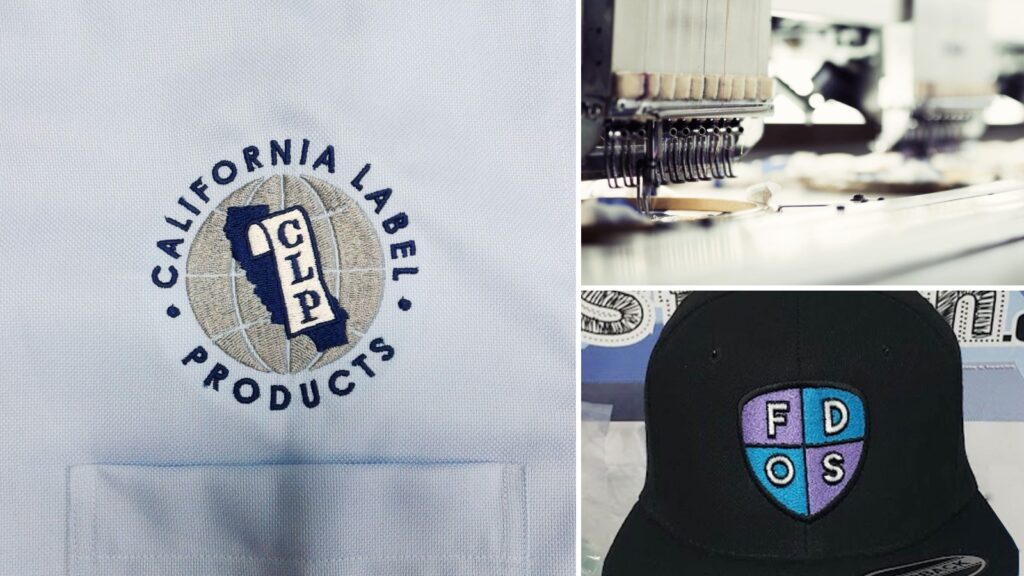
When it comes to incorporating logos into apparel, embroidery is still the number one choice due to its clean look and professional appearance. That professional finish is part of how embroidered logos help businesses grow. Nonetheless, converting your logo into embroidery is a multi-step process that can be accomplished by businesses like NINJA Stitch that specialize in fast embroidery in Los Angeles. The key step is logo digitizing for embroidery, which turns your artwork into a stitch file the machine can follow.
To learn more about logo conversion, here are essential factors you need to take into consideration:
3 Factors That Shape Your Embroidered Logo
- Type of fabric and stitches
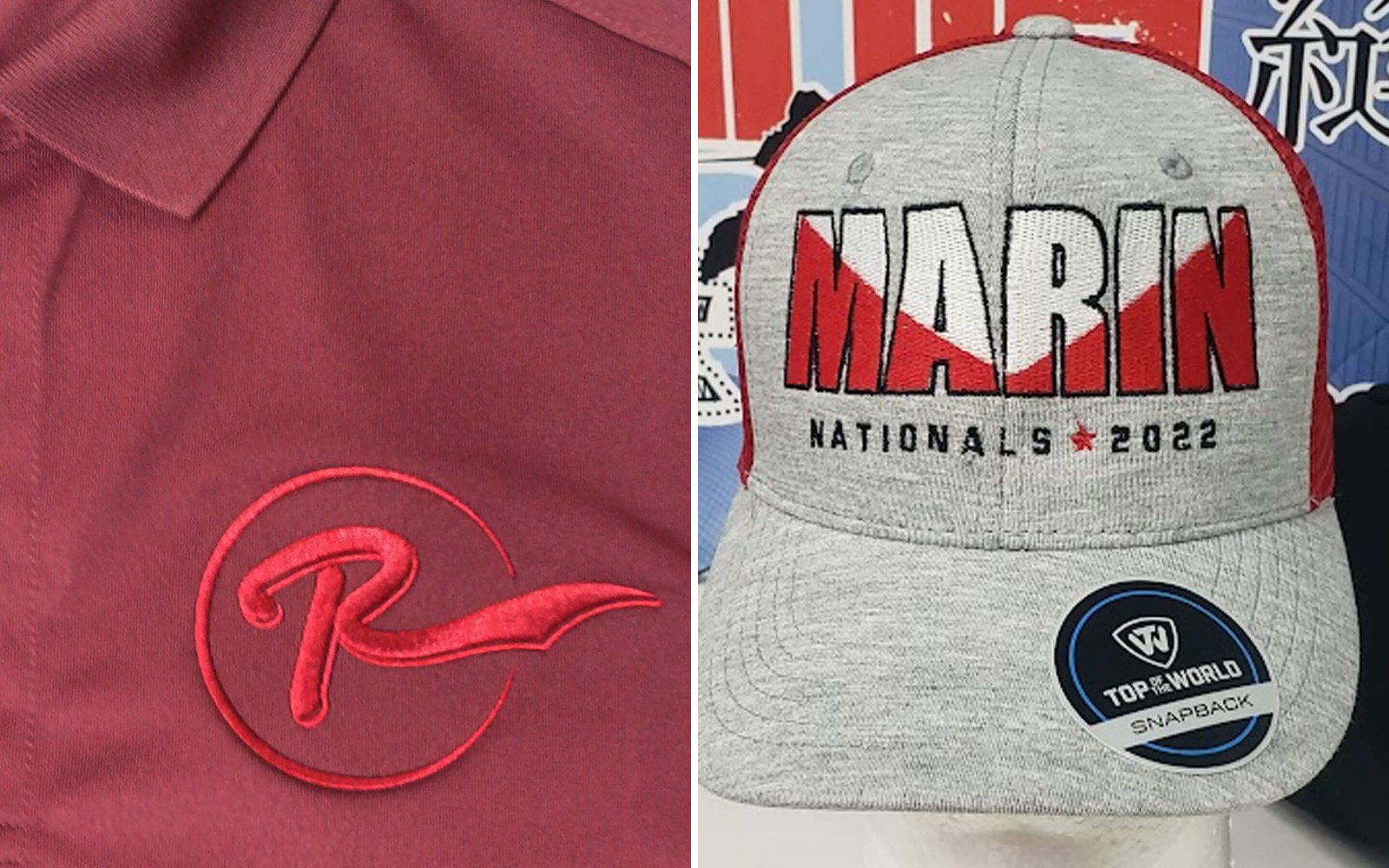
When it comes to logo embroidery in Los Angeles, your choice of fabric and stitches are highly important as they can affect the quality and cost. For instance, selecting heavier stitches on a softer fabric can be costlier, while choosing lighter stitches on a thicker fabric may lead to an inability to produce the desired effect. As such, it’s important to discuss your options with a specialist first. - Lettering or logo text
Another consideration to make is the text in your logo. Readability is highly important, so the text needs to be large enough for replication. Font selection comes into play here as well, as some fonts are simply harder to decipher when translated into embroidery. - Fine lines and small areas reduction
When embroidering logos, smaller designs and fine lines that contain specific tones or shades might not translate well. As such, it’s important to apply a well-balanced color combination that will allow your logo to appear more prominent and distinct against the fabric. Moreover, it also makes it easier to read and is more attractive to viewers at first glance.
How Logo Digitizing Works
Embroidery machines can’t read a JPG or PNG on their own. Your logo has to be digitized, which means a specialist rebuilds it as a stitch file that tells the machine where every stitch goes, in which direction and in what order.
During digitizing, each part of the artwork is mapped to a stitch type, thread colors are assigned and underlay stitches are added so the design sits flat. A skilled digitizer also adjusts density and stitch direction for the garment, because the same logo stitches differently on a structured cap than on a soft fleece jacket.
Digitizing is a skill as much as a technical step. Two files built from the same artwork can stitch out very differently, which is why it pays to work with a shop that reviews every design before production. If you’re comparing shops, here’s what to look for in an embroiderer.
Stitch Types and What They’re Used For
Digitizers combine a few core stitch types to build every design:
- Satin stitch: long, smooth stitches with a glossy finish, ideal for lettering, borders and narrow shapes.
- Fill (tatami) stitch: rows of short stitches that cover larger areas with an even, durable texture.
- Running stitch: a single line of stitches used for fine outlines and small details.
- 3D puff: satin stitches over foam for a raised, dimensional effect. See it in action on our 3D puff embroidered hats.
The right mix of stitches is what makes a logo look crisp rather than flat or crowded.
Simplifying Your Logo for Thread
Most logos are designed for screens and print, so a few adjustments help them translate into thread:
- Thicken thin lines: very fine strokes can disappear or break up, so lines are usually widened slightly.
- Drop tiny details: small taglines and micro-text are often removed for compact placements like caps and sleeves.
- Reduce the color count: gradients and subtle shades are converted into a few solid thread colors.
- Open up tight spaces: letters and shapes set very close together are spaced out slightly so thread doesn’t fill the gaps.
- Keep a small-format version: many brands use a simplified icon version of their logo for compact spots.
Our graphic design team can help prepare an embroidery-friendly version of your logo that stays true to your brand.
Matching Thread Colors to Your Brand
Embroidery thread comes in a huge range of shades, so most brand colors can be matched closely. If you have Pantone (PMS) codes, include them with your artwork so the closest thread colors can be selected before you approve your digital proof. Keep in mind that thread has a natural sheen, so colors can look slightly different on fabric than on a screen.
When Your Logo Is Better as a DTF Print
Some logos lose too much in thread, such as designs with photographic detail, smooth gradients or very fine text. In those cases, full-color DTF transfers reproduce your logo as designed, gradients and all, on cotton, polyester and blends. Many businesses embroider a simplified logo on polos and caps and use DTF for the full-color version on tees and hoodies. Just send a print-ready PNG at 300 DPI or higher with a transparent background. That way, every item gets the version of your logo that looks its best.
Logo Embroidery FAQs
What file should I send for digitizing?
A vector file such as AI, EPS, SVG or PDF is ideal. A high-resolution PNG or JPG can also work, and a clear image is usually enough to get started.
Is digitizing the same as vectorizing?
No. Vectorizing turns an image into clean, scalable artwork, while digitizing turns artwork into a stitch file for an embroidery machine. Many logos go through both steps.
Why does my embroidered logo look slightly different from the original?
Thread has texture and sheen, and very small details are simplified so they stitch cleanly. The goal is a faithful, readable version of your logo rather than a pixel-perfect copy.
Can one digitized file be used on any fabric?
Usually it needs adjustments. Density and underlay are tuned to the fabric, so a file built for a polo may be tweaked for a fleece hoodie or a structured cap.
As a leading business specializing in Los Angeles embroidery, we utilize the latest technology to provide high-quality embroidery services. To learn more about us, make sure to browse our blog or request an embroidery quote for your logo today.
Related reading: