
Choosing the best fabric for printing is just as important as choosing the design. The right material helps your print or embroidery look sharp, feel comfortable and last through wash after wash, while the wrong one can leave colors dull or cause problems in production. Here’s how the team at Ninja Stitch in Downtown Los Angeles helps you match each material with the right decoration method.
What Makes All the Difference
Getting your items embroidered and crafted with NINJA Stitch can give you back your money’s worth, and even more. Our skilled ninjas handle different types of materials that can be embroidered or screen printed with your own designs and/or logos, or you can also work with our team to get you one as soon as possible. Still weighing whether custom gear is worth it? Here are the main advantages of customizing your products.
Items that need specific kinds of Stitches and Embroidery in Los Angeles, California can be accommodated since we specialize in the following materials:
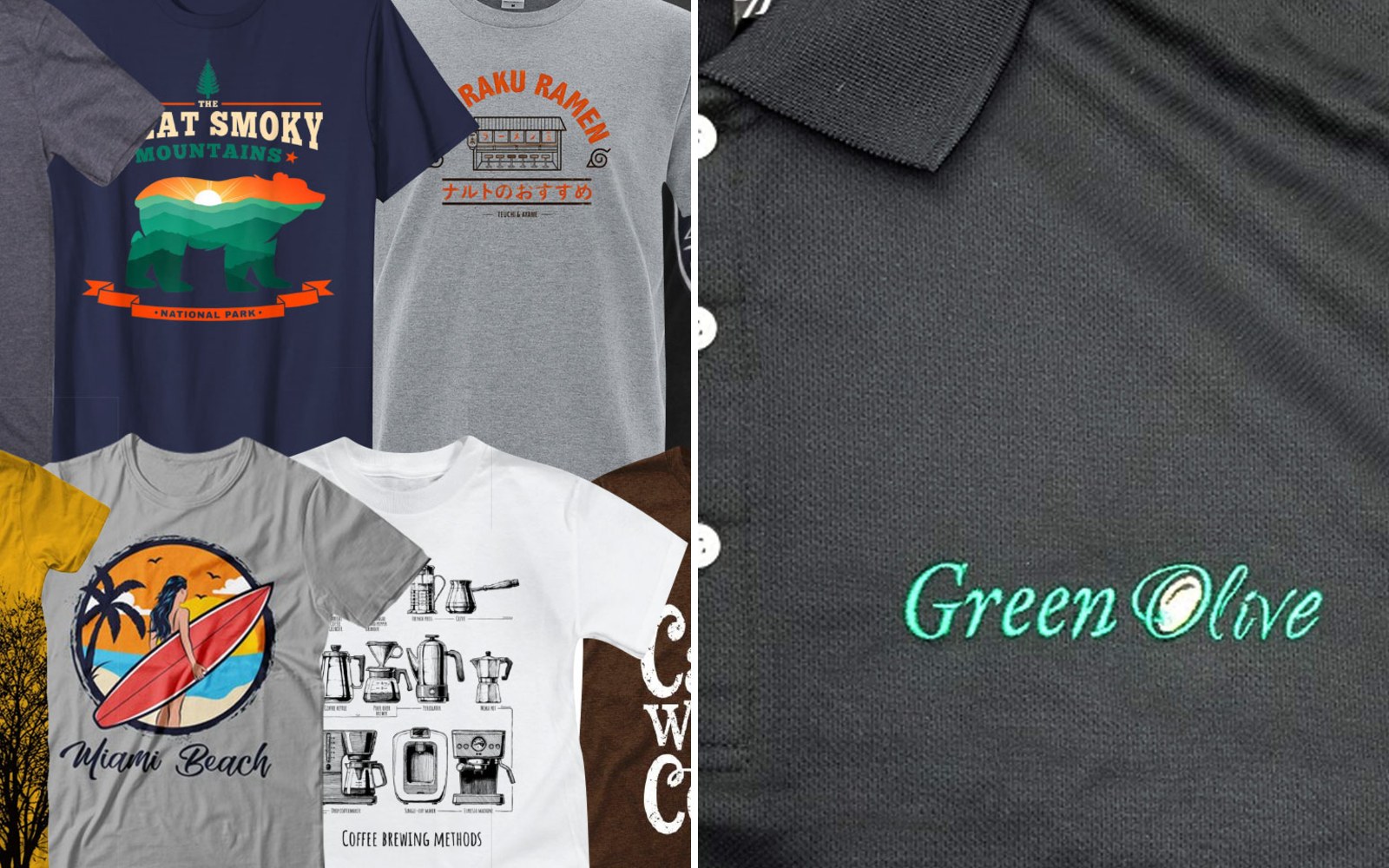
Apparel/Clothing for Custom Embroidery
-
Headwear: Caps, hats, beanies, and bandanas.
-
Upper wear: Halter-tops, camisoles, company shirts, golf shirts, and most tops.
-
Bottom wear: Pants, sweat pants, yoga pants, and most bottom wears.
-
Other fabrics: Towels, tote bags, hoodies, jackets, and more.
We also cater in making your logos into design patches that can readily be added to your chosen fabric or material so you and your team, or family, can have that one specially-designed trademark to your liking.
Shirts made to order through our Screen Printing Services in California are made with the finest plastisol inks, so your designs and logos stay longer on your shirt even after multiple washes. Getting your shirt design or logo to stay on can also speak of your brand’s service quality when your employees wear quality materials and prints. Durability is just one of the reasons screen-printed tees are so popular.
Learn more about our process in DTLA to get started with your projects.
Putting a limit on items that can be embroidered is a thing of the past. We always work on bringing wider and more inclusive clothing and material options to work with so all our clients can get exactly what they need here at the Los Angeles Fashion District. Working with different companies and our great team of ninjas only makes our outputs better so you can wear our passion and joy wherever you may go, because getting the right print and material makes all the difference.
Matching the Print Method to the Material
Every fabric takes ink and thread a little differently, so the best decoration method depends on what your garment is made of:
- 100% cotton: the most versatile choice. Screen printing, DTF and embroidery all work well, and DTG printing looks its best on cotton.
- Cotton-poly blends: soft, durable and less prone to shrinking. Screen printing and DTF are reliable picks, and embroidery works well on heavier blends like sweatshirts.
- 100% polyester and performance fabrics: moisture-wicking and stretchy, but heat-sensitive. DTF transfers handle polyester well, while screen printing needs special inks to prevent issues like dye migration.
- Fleece, hoodies and jackets: screen printing works well for big back designs, and embroidery adds a premium touch on the chest.
- Caps, totes and accessories: embroidery is the classic choice for structured hats, while totes and many accessories can be screen printed or decorated with DTF.
Embroidery works on most of these materials, but very thin or stretchy fabrics need a stabilizer backing and careful hooping to keep stitches from puckering. Not sure what your garment is made of? Check the care label, or send us the brand and style, and we’ll recommend the best method.
How to Choose the Right Fabric for Your Shirts
Beyond how it prints, think about where and how the garment will be worn:
- Comfort: ringspun and combed cottons feel softer and give prints a smoother surface than basic cotton.
- Climate and activity: lightweight, breathable fabrics suit hot kitchens and outdoor events, while performance polyester keeps active teams cool and dry.
- Durability: blends hold their shape and color through frequent washing, which makes them a smart pick for daily work shirts.
- Weight: heavier shirts feel substantial and premium, while lighter shirts drape better and are cooler to wear.
- Color and texture: heather and tri-blend fabrics give prints a soft, vintage look, while solid colors make logos pop.
- Budget: basic cotton tees keep costs low for big giveaways, while premium blanks are worth it for merch you plan to sell.
Where DTF Printing Fits In
When an order mixes materials, DTF transfers are often the most flexible option. The same full-color transfer can be pressed onto a cotton tee, a polyester jersey and a blended hoodie, so your logo looks consistent across every piece. There are no minimums, and gang sheets ordered by 1 PM can be printed the same day. For a side-by-side look at how DTF stacks up, read our DTF vs. DTG vs. screen printing comparison.
Material and Print FAQs
What is the best fabric for screen printing?
Cotton and cotton-rich blends are the easiest to screen print and give bright, consistent results. Polyester can be screen printed too, but it needs special inks and careful curing.
Do dark fabrics change how a print looks?
They can. Light inks on dark fabric usually need a white base layer to stay bright. DTF transfers are printed with a white layer behind the colors, which helps designs pop on dark garments.
Will cotton shirts shrink after printing?
Pre-shrunk cotton usually shrinks only slightly, and washing in cold water and drying on low helps any cotton shirt keep its size and its print.
Should I choose embroidery or printing?
Embroidery is ideal for polos, hats and jackets where you want a premium, textured logo. Printing is better for large graphics, full-color artwork and lightweight tees.
Need something done the NINJA Stitch way? Click and share the link to hook up your team or crew with new threads that speak of their brand and culture. Visit us in Downtown Los Angeles, or contact our team for help choosing the right material and print.
Related reading: